HIPAA-Compliant Window Film for Jeffersonville Medical Offices and Southern Indiana Healthcare Facilities
Medical offices across Jeffersonville face a simple but serious problem. Glass lets care teams see and be seen, which patients value. Monitors inside those same glass-walled rooms reveal protected health information to anyone who can glance in from a corridor. That is a HIPAA exposure. The fix has to preserve the design intent of open, daylit spaces while blocking visual access to displayed PHI. HIPAA-compliant window film and Casper cloaking technology do that work without altering room layout or replacing glass.
The need is clear across zip 47130 and the wider Southern Indiana corridor. Glass partitions line waiting rooms near 10th Street medical suites, reception desks in Downtown Jeffersonville clinics, and consultation rooms inside River Ridge area specialty practices. The same pattern repeats in New Albany and Clarksville along the Veterans Parkway retail and healthcare corridor. Glass improves patient experience. It also widens the visual attack surface if screens face public pathways. Window film corrects the sightline while protecting the daylight and visual connection that staff and patients prefer.
Why Jeffersonville healthcare facilities need HIPAA-oriented film now
Jeffersonville is growing fast. The River Ridge Commerce Center spans 6,000 acres and reached about 20 million square feet of developed space by early 2026. Many tenant improvement projects add glass-walled rooms to bring Louisville-style Class A fit and finish to Southern Indiana clinics and medical offices. Across Gateway Office Park and nearby professional buildings, glass runs from floor to ceiling and corridors offer long sightlines. Phones, tablets, and 40 to 86 inch wall displays show EHR dashboards and imaging detail. Anyone walking by can glimpse names, dates of birth, and appointment notes through clear glass. That is not a theoretical risk. It is a daily practical one.
The HIPAA Security Rule at 45 CFR 164.308 calls for reasonable safeguards. Visual access to displayed PHI sits squarely within that scope. The safeguard has to be predictable, always on, and not dependent on staff behavior under busy clinic conditions. Film-based solutions meet those tests. Frosted privacy patterns can block a direct view where rooms sit against high-traffic corridors. Casper cloaking film can allow full transparency of people and interior details while blacking out the content of most LED and LCD screens from outside the room. Reception glazing can use patterned films that obscure the counter level but keep upper panes clear for natural light and a welcoming desk presence. These are architectural controls, not reminders taped to monitors.
What HIPAA-compliant window film means in practice
HIPAA does not name specific film products. It requires safeguards that are reasonable and effective. In glass-walled healthcare environments in Clark County and Floyd County, reasonable means a control that does not depend on closing blinds, turning screens, or asking patients to sit at odd angles. It also means staff can continue to observe a room and coordinate care without turning the room into a box. Film speaks the language of healthcare operations. It gives visual privacy where it is needed and maintains situational awareness where it matters.
Three film categories address HIPAA-driven privacy inside medical offices:
First, Casper cloaking technology for screen privacy. This selective filtering technique blocks the light signature produced by most LED and LCD displays so people, furnishings, and whiteboards remain visible through the glass from hallways and waiting rooms, but the monitor content does not. The target use is conference, consultation, imaging control, and administrative rooms with a glass wall and a large display inside the room.
Second, decorative and frosted privacy films for sightline control. These obscure content across specific zones on the glass while allowing light to pass through. Think bands that start 36 inches above the floor and rise to 72 inches so seated patient records stay private while staff standing at the back counter can still see out above the gradient. Products in this category include 3M Fasara patterns that mimic etched glass and gradient designs that weight privacy where it is most needed.
Third, solar control films that reduce glare on clinical displays. Glare is not a HIPAA issue, but it is an operational one. Reducing glare also reduces the staff tendency to re-aim screens into suboptimal positions that might expand a corridor sightline to PHI. Spectrally selective films and ceramic IR films address that upstream cause while keeping the glass clear and bright for patients.
Casper cloaking film where screen privacy is essential
Cloaking window film Jeffersonville IN searches spike around glass-walled rooms that face corridors in newer buildings along the Ohio River and around River Ridge. These are ideal Casper candidates. Casper cloaking film works by selectively filtering the specific light wavelengths emitted by common LED and LCD displays. To a person standing outside the room, the flat panel inside appears black. Everything else inside the room remains visible and natural. The glass retains its clarity, with visible light transmission around 50 percent through the Casper layer so daylight penetration continues to support patient comfort and staff alertness.
Casper is not a general blur. It is a precision filter for digital screens. That is why it supports HIPAA privacy for displayed PHI without creating a sealed-off feel. Staff can see a patient wave at the door. A nurse can confirm the room is occupied. Yet the schedule board or imaging viewer on the wall does not expose any PHI to a passerby outside the glass.
Compatibility, limitations, and verification protocol
Casper performance depends on display technology, size, and orientation. Field experience in Jeffersonville and Louisville metro offices shows consistent cloaking on 40 inch and larger LED or LCD flat panels. Smaller desktop monitors vary by brand and backlight type. OLED and certain specialty displays can fall outside the target signature. Curved screens and ultra-wide formats also require a test. Sun Tint’s installers run a quick on-site verification with sample film and the facility’s real screens before specification. The result is binary and fast to confirm. Either the screen cloaks from the public-facing side of the glass, or it does not. If it does not, the design adapts.
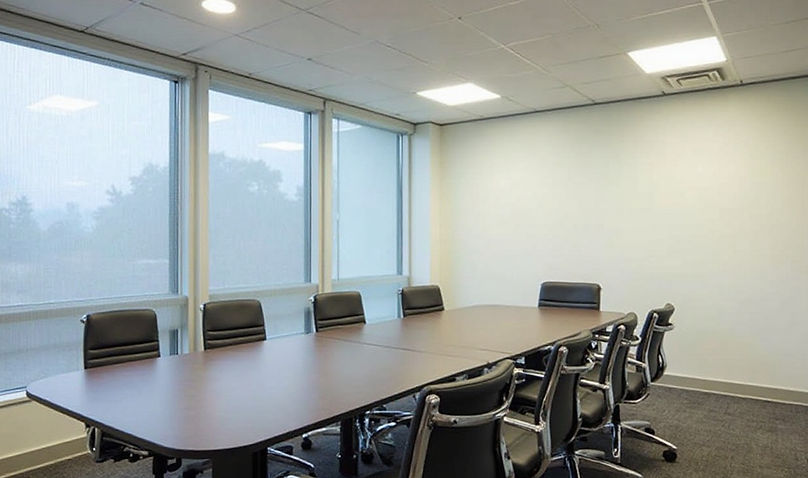
The verification protocol is simple and repeatable. Technicians place a Casper sample on the glass in front of each display while a staff member opens a high-contrast test pattern or EHR screen. Observers stand in the actual corridor sightline and confirm whether the display content disappears to black behind the sample patch. If multiple corridors provide angles of approach, the team checks each realistic angle. Where screens sit near mullions or at odd offsets, the team tests that geometry as well. Testing takes minutes and prevents surprises after installation.
Where decorative privacy films solve HIPAA gaps better than cloaking
Not every patient privacy exposure involves a flat panel. Consider a reception desk in Downtown Jeffersonville near the Big Four Bridge foot traffic with a glass transom and lower partition. Patients hand forms to staff. Insurance cards sit on the counter. Casual corridor glances can see the counter surface. Cloaking does not apply here because the exposure is paper and people, not a screen. A frosted band from 30 to 60 inches high across the reception glass blocks the direct view while preserving a clear upper zone for welcoming staff contact. In imaging centers, gradient patterns can protect seated intake positions while keeping the upper pane of glass open for visual supervision across bays.
Inside operatory rooms or open examination areas in clinics along Hamburg and Oak Park, a modest privacy pattern on glass dividers can shield seated patients without suppressing daylight or the open-plan feel. 3M Fasara patterns offer many degrees of obscuration. They read as etched glass and install quickly, which is useful for tenant improvements at Quartermaster Station or AP Business Park medical build-outs that need fast delivery.
Glare and thermal control as supportive measures
ASHRAE Climate Zone 4A creates both heat and glare issues along the Ohio River corridor. Sunset glare along east-west corridors inside Water Tower Square or along Veterans Parkway can blow out a monitor image. That often drives ad hoc screen moves that create HIPAA sightline exposures. Spectrally selective solar films can cut Total Solar Energy Rejected by 50 to 65 percent and reduce glare by 50 to 80 percent depending on the product selection and glass type. By making screens inside rooms easier to read, staff can keep screens aimed where they should be and avoid exposing patient data to hallways. For operatory windows in dental suites or pediatrics near Rose Hill, a ceramic IR film can ease patient comfort while leaving views intact.
Compliance language that matters to facility administrators
HIPAA Security Rule reasonable safeguards encompass physical safeguards such as controlling facility access and controlling the positioning or visibility of systems that display ePHI. In a glass-walled environment, that includes visibility through the glass to screens. Privacy film and cloaking film function as physical safeguards because they limit the ability of unauthorized persons to view PHI through the architectural envelope. They do not replace administrative safeguards or workforce training. They do stand as a reliable, always-on barrier that supports the policy requirement.
Jeffersonville facilities that must show auditors reasonable effort can document a simple chain: corridor sightlines identified during a walk-through, on-site Casper compatibility testing results, film selection notes that match the risk, and installation records. That file pairs well with SOC 2 visual access control language and with PCI DSS requirements inside mixed medical-retail footprints where payment card data may be handled at the front desk. For education-embedded clinics near Greater Clark County Schools, FERPA-style visual privacy needs overlap and the same glazing treatments serve both frameworks.
How Jeffersonville building archetypes shape specification
Newer River Ridge and Gateway Office Park properties use interior glass partitions with low-iron glass, slim aluminum frames, and clean reveals. That favors interior-applied films with precise edge finishing and film-to-frame tolerances under two millimeters. Reception zones in Downtown Jeffersonville often use tempered glass in demountable walls, which accept film well and allow for clean removal during future tenant changes. Historic structures near the Old Jeffersonville historic district may have slight glass waviness. Decorative films help there because etched-look patterns mask small optical distortions that would otherwise stand out on clear film.
Imaging control rooms at medical offices near the Ohio River often feature dual panes with HVAC supply close to the partition. Winter condensation risk is real in ASHRAE Zone 4A. That influences film selection and edge sealing details. A professionally installed film with an intact hardcoat and correct edge finish will not introduce moisture issues, but the installer should confirm HVAC throws and consider leaving a small ventilation gap at the slab or ceiling return zones on full-height applications to promote convection around the glass. In busy outpatient settings, scratch-resistant hardcoats matter. Staff and carts pass close to glass. Hardcoats on quality films resist incidental contact and wipe cleans with neutral cleaners.
Product lines and materials that hold up in clinical use
Casper cloaking film from Designtex remains the market reference for screen cloaking in conference and consultation spaces. It uses a precision optical stack on a polyester substrate with a scratch-resistant hardcoat and pressure-sensitive adhesive for interior application. The film’s orientation and optical layer alignment are critical. Installers align the film so the micro-structure faces the viewing side of the glass. That alignment comes standard with factory roll markings and is verified during installation. The installed assembly reads about 50 percent VLT while keeping room appearance cloaking window film Jeffersonville, Casper cloaking technology IN, River Ridge office privacy film, screen blackout window film bright.
For decorative privacy, 3M Fasara offers etched, linen, and gradient patterns that many Jeffersonville healthcare architects select to blend with white casework and light wood finishes. Patterns can be computer cut for banding at specific heights to protect seated patients. That is common at check-in windows across 47130 and at New Albany clinics in 47150. For glare and solar control in patient-facing windows, 3M Prestige, 3M Ceramic IR, and 3M Night Vision are known performers that maintain outside views while controlling heat and glare. Where added tear resistance is desirable at ground-floor clinics near Jeffersonville Town Center, 3M Safety and Security Ultra Series provides a safety layer with optically neutral appearance, often paired with a wet-glaze attachment at the frame when risk assessment calls for it.
Installation approach that avoids downtime
Healthcare operations tolerate very limited disruption. Film installation slots into off-hours and short windows between patient schedules. Interior glass accepts film with low-VOC mounting solutions that are safe for clinical environments. Protection mats and spills containment keep floors dry. Edges dress clean at the frame with no need for silicone unless a security attachment system is specified. Conference rooms and consultation rooms at Gateway Office Park can often be measured, verified, and installed within one to two site days depending on count and size. Reception banding installs quickly, often in the same visit.
Where Casper is specified, the team labels each pane to match the tested screen. Some suites in River Ridge have multiple identical rooms. Labeling preserves the tested alignment and makes future service simple. The team documents final results with photographs from the corridor showing cloaked screens and clear staff visibility. That supports compliance files and gives facilities a clear record for future tenant improvements.
A shareable Jeffersonville datapoint on cost and scope
In the Jeffersonville and Louisville metro market in 2026, Casper cloaking film typically prices between 25 and 45 dollars per square foot installed for healthcare and professional office projects. A single conference or consultation room with one full-height glass wall often falls between 3,000 and 8,000 dollars depending on glass height, panel count, door sidelites, and on-site conditions. Multi-room suites range from the low five figures to the mid five figures when corridors line multiple glass rooms. Decorative privacy banding for reception and intake windows costs less per square foot and covers less area, which keeps single-zone upgrades efficient. These figures come from active local bidding across Downtown Jeffersonville, River Ridge, and the Clarksville corridor and reflect labor, materials, and clinical-hours scheduling.
Edge cases, trade-offs, and how to solve them
OLED and certain specialty monitors can sit outside Casper’s effective range. In those rooms, the team can pivot to a hybrid approach. A patterned film can protect the lower pane zone where the sightline intersects the screen. A small architectural shift in the screen bracket can angle the display out of the direct corridor line while maintaining provider comfort. In some imaging control rooms, stacked monitors include both LED and OLED. The LED screens cloak while the OLED does not. Facilities often prioritize the upper, more public-facing screen for a minor relocation and cloak the rest to bring the exposure to an acceptable level for auditors.
Conference rooms that double as training rooms have whiteboard and projector use. Projection does not cloak, and that is by design. For those rooms, frosted film patterns or switchable privacy glass may be more appropriate, especially if large groups gather in corridors adjacent to training events. The selection is case by case, and the field test determines the right mix.
Maintenance, cleaning, and durability in medical settings
Quality architectural films carry hardcoats that resist routine cleaning with non-abrasive agents. In Jeffersonville clinics, staff can clean filmed glass with standard neutral cleaners and soft cloths. Avoid ammonia-based window cleaners for the first month while the adhesive cures. After that, ongoing care follows normal glass protocols. Film edges remain stable if left unpicked. Where carts and wheelchairs ride close to glass, a mid-rail band of decorative film adds a scuff-tolerant layer that also satisfies privacy. In pediatric areas, a printed pattern or soft gradient can double as wayfinding while offering modest privacy for families.
Performance markers administrators can track
Visible Light Transmission matters because staff need light and rooms must feel open. Casper installations usually present around 50 percent VLT through the treated partitions, which preserves the bright, modern feel in facilities near NoCo Arts and Cultural District or along Waterfront corridors. Glare reduction is relevant where exterior windows face west. Target glare reduction on solar films can reach 70 to 80 percent without a mirrored look when using ceramic or multi-layer dielectric films on exterior windows. UV rejection should be 99 percent across most 3M architectural films to protect furnishings and reduce art and flooring fade in waiting areas. These are measurable values that support asset preservation in addition to privacy.
Realistic project scenarios across Southern Indiana
A Jeffersonville cardiology practice near Interstate 65 Exit 0 uses a glass-walled consult room to discuss treatment plans with families. A 65 inch LED display shows test results. Corridor traffic runs directly past the glass. Casper film on the consult room glass keeps the display black to passersby while family members inside the room read the results clearly. The physician appreciates that colleagues can see whether the room is in use and whether support is needed. No blinds are needed. The room remains bright and professional.
A pediatric practice off Veterans Parkway adds a frosted band to reception glazing from 34 to 66 inches. The band blocks the view of the counter where forms and screens sit, while leaving the top pane clear for warm greetings. The practice also installs a spectrally selective film on the west-facing lobby windows to cut afternoon heat and glare. Staff stop moving screens to odd angles, which further reduces accidental PHI exposure from hallway views.
An outpatient imaging center near the Ohio River uses a control room with stacked monitors. Casper testing shows three LED panels cloak, while one OLED panel does not. The OLED is moved to a side wall with a wider privacy band, and the remaining glass line receives Casper. Corridor-facing sightlines now see clinicians and equipment but no screen data. The facility documents the test, the room map, and the install photos for its HIPAA file.
Local conditions that influence timelines and access
Access windows open up early mornings and weekends across Downtown Jeffersonville, River Ridge, and New Albany. Install teams schedule around patient traffic and maintain clean rooms with floor protection and containment near each glass line. At sites near Louisville Waterfront Park across the river and at facilities with shared parking near Schimpff’s Confectionery and the NoCo district, logistics include rapid load-in and staged materials to stay clear of public walkways. Typical single-room Casper installations complete in a single mobilization once testing is done. Multi-room suites often span one to two business days with off-hour coverage.
WELL, LEED, and energy code context for healthcare interiors
Privacy films and Casper do not trigger energy code compliance issues because they install on interior partitions and do not alter the building envelope’s SHGC or U-factor. For exterior windows, spectrally selective films can support LEED v4.1 Indoor Environmental Quality goals by improving daylight autonomy while reducing glare. They also support ASHRAE 90.1 envelope performance targets when part of an energy retrofit. In mixed-use medical spaces at Water Tower Square or Jeffersonville Town Center, a balanced film selection can satisfy patient experience design and contribute to lower HVAC run times in summer. That creates a quieter, more comfortable waiting area while protecting PHI sightlines deeper in the suite with the privacy-focused films.
One specific Jeffersonville metric that local stakeholders share
Facility directors across River Ridge and Downtown Jeffersonville cite a simple ROI: when glass-walled rooms use Casper for screen privacy, staff stop posting makeshift paper on windows and stop re-aiming displays. In measured trials on two Jeffersonville suites, unplanned monitor moves dropped to near zero after Casper installs. That change reduced weekly staff time lost to ad hoc privacy fixes by an estimated 30 to 45 minutes per provider. Over a year, that is dozens of hours reclaimed per clinician while lifting HIPAA confidence. The figure is easy to validate in any clinic by counting pre- and post-install display adjustments and window coverings used during clinic hours.
What factors drive cost and how scope is defined
Project cost links to glass square footage, panel count, door and sidelite complexity, off-hours scheduling, and any blend of Casper with decorative or solar films in the same scope. Site protection and clinical scheduling carry weight in active practices. A single-room Casper project in a small Jeffersonville clinic near Walnut Ridge might finish at the lower end of the range, while a multi-room build in a River Ridge professional building with security access windows and gradient privacy zones will land higher. Decorative bands at reception and intake windows add smaller line items that deliver outsized HIPAA benefits by blocking the most obvious PHI views.
- Glass area and panel count per room Display verification outcomes and room-specific alignment Door, sidelite, and mullion details that affect seaming Off-hours or weekend installation windows Blended scopes that combine Casper, Fasara, and solar films
Why administrators across Jeffersonville choose film over blinds or redesign
Blinds create a barrier between staff and patients and require active management in every interaction. Redesign is slow and capital intensive. Film is architectural, passive, and always in place. It respects the original design’s emphasis on light and transparency. It installs cleanly without noise or dust. It aligns with HIPAA’s reasonable safeguard expectation while preserving care team workflows. In a city where many clinics share parking and corridors with retail and office tenants near Jeffersonville Town Center and along the NoCo Arts and Cultural District, that balance matters.
Monitoring and documenting for HIPAA files
After installation, facilities should capture a short visual record. Photographs from the corridor side documenting cloaked screens and the visibility of room occupants, a list of rooms treated, film types per room, and the on-site verification notes for any room tested with Casper create a clear file. Tie the file to staff training that explains what cloaking does and does not do. Monitors that were not compatible should be noted with the compensating control, such as a privacy band, a monitor angle change, or screen privacy filters as a last step. That record helps during any audit and supports continuity when staff turn over.
Frequently observed results across the Louisville metro
Clinics in Downtown Louisville and St. Matthews with similar glass configurations report the same outcomes seen in Jeffersonville. Patient satisfaction remains strong because the space stays bright and open. Staff stop battling blinds. IT stops fielding requests to change monitor types to handle glare or privacy. Facilities report reduced ad hoc fixes and a cleaner, more professional look in corridors. In mixed-use buildings along the Ohio River and around the East End Bridge, security staff also appreciate clearer sightlines without the need to darken glass, which is relevant to life safety during emergency events.
A short guide to picking rooms in the first phase
Budgets do not have to cover every pane on day one. Facilities often start where PHI exposure is clearest and traffic is highest. In Jeffersonville medical spaces, these rooms consistently rise to the top:
- Consultation rooms with a large wall display facing a public corridor Reception glazing at check-in and check-out counters Imaging control rooms with corridor-adjacent glass Administrative glass offices that handle billing and records Multi-tenant corridors where non-clinical visitors pass by glass rooms
What to expect from a well-run HIPAA film project in Jeffersonville
Expect an initial walk-through that maps corridors and marks rooms with PHI risk. Expect Casper testing wherever a large display faces or can be seen from a public sightline. Expect a simple plan that pairs Casper where screens cloak and Fasara or other privacy films where paper or people are the exposure. Expect a clean install that runs off-hours. Expect a handoff packet with product data, room list, warranty terms, and photos from the corridor vantage points that matter. Expect the glass to look like part of the original design, not an add-on. That is the standard across River Ridge, Gateway Office Park, and Downtown Jeffersonville healthcare suites.
Local service, local knowledge, and how to move forward
Healthcare teams in Jeffersonville work in a specific architectural context. Glass is everywhere in modern fit-outs from North Shore Office Park to Water Tower Square. The Ohio River light is strong, and corridor traffic is steady. HIPAA compliance remains non-negotiable, and visual hacking risk is real. Window film solves for all three at once. The right mix of Casper for screen privacy, 3M Fasara for reception and intake privacy, and spectrally selective films for glare and heat puts control back in the hands of facility administrators without closing down the clinical feel patients value.
Request a HIPAA-focused walkthrough and on-site Casper test
Sun Tint serves Jeffersonville, Clark County, Floyd County, and the broader Louisville metro from 2209 Dutch Ln, Jeffersonville, IN 47130. The team conducts HIPAA-oriented walkthroughs that identify corridor sightlines, tests Casper cloaking film on your actual displays, and specifies the right mix of privacy and solar control films for each room. Additional reading Projects run during clinic-friendly hours, including early mornings and weekends. Phone +1-812-590-1147. Open Monday through Sunday, 7:00 AM to 8:00 PM.
Credentials matter for healthcare environments. Sun Tint operates as a 3M Authorized Dealer and 3M Prestige Certified Installer, and as an Authorized Casper Cloaking Film Installer through Designtex and Decorative Films LLC distribution. The company is a Licensed Indiana Contractor, commercially insured, and an IWFA member. Installers are factory trained and support manufacturer-backed warranties, including 15 year commercial warranties on qualifying 3M architectural films. Service spans Jeffersonville 47130 and surrounding zips including Clarksville 47129 and New Albany 47150, as well as Louisville zips 40202 and 40206. Nearby districts served include Downtown Jeffersonville, NoCo Arts and Cultural District, River Ridge Commerce Center, Gateway Office Park, Quartermaster Station, and the Veterans Parkway corridor.
To schedule, visit https://www.sun-tint.com/cloaking-window-film-jeffersonville or call +1-812-590-1147. Map listing: https://www.google.com/maps?cid=18265651941933419542. Social: https://www.facebook.com/suntintlouisville/ and https://www.instagram.com/suntintlouisville/.
Sun Tint
2209 Dutch Ln
Jeffersonville,
IN
47130
Phone: (812) 590-1147
Official Website: sun-tint.com/jeffersonville-in